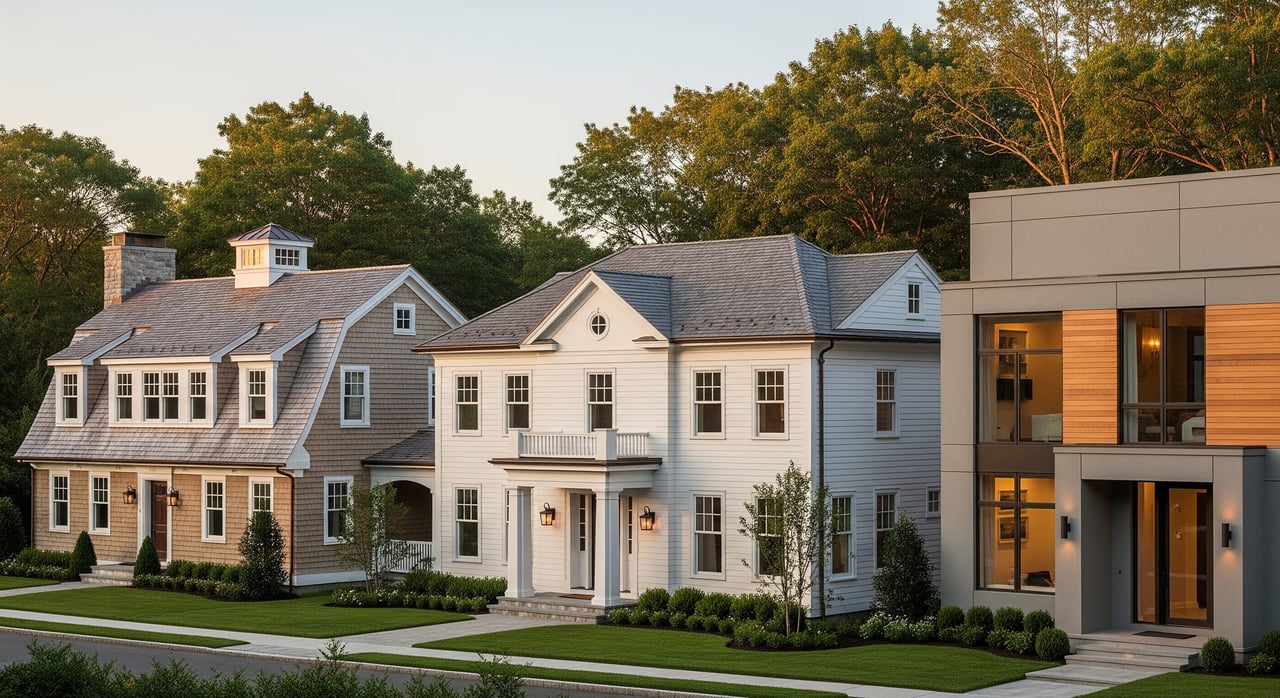
Touring homes in Wellesley and noticing how a Colonial, a Cape, and a Contemporary each feel completely different? You are not imagining it. Style shapes how a house lives day to day, how it can evolve, and what upgrades matter most. In this guide, you will see how Wellesley’s most common styles compare, what to expect with renovations and energy efficiency, and a practical checklist to use when you view homes. Let’s dive in.
Wellesley styles at a glance
Wellesley’s housing stock spans early to mid 20th century homes, mid‑century builds, and newer construction. You will find many detached single‑family homes on larger lots than inner‑ring suburbs. Style influences room size, ceilings, natural light, and the likely path to create modern spaces.
- Colonial and Colonial Revival are very common, from late 19th century through 1940s and later revivals.
- Cape Cod homes are common, especially early 20th century revivals and post‑WWII builds.
- Mid‑century and Contemporary homes appear across town, along with ongoing new construction.
Colonial: classic symmetry, easy to expand
What defines a Colonial
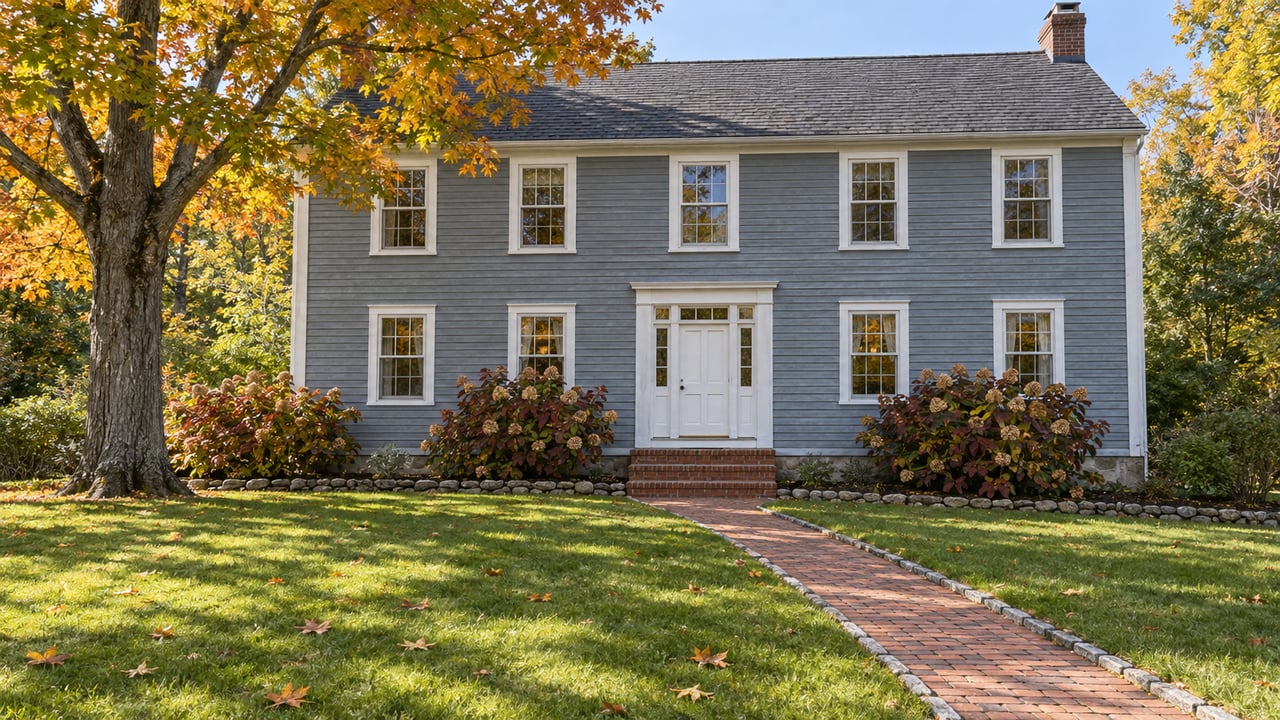
- Symmetrical facade with a centered front door and double‑hung windows.
- Gabled roof and a center‑hall or side‑hall plan.
- Bedrooms typically upstairs; formal living and dining rooms on the main level.
How it lives today
Colonials shine if you want separate, defined rooms with a classic center hall. Original kitchens are often smaller, so many owners open the rear of the house to create a kitchen and family room hub. Upstairs layouts usually make it straightforward to add or reconfigure baths.
Typical updates and tradeoffs
- Opening walls or building a rear addition can deliver open family living but requires permits and possible structural work.
- Older Colonials may have single‑pane wood windows; repair plus storm windows can improve comfort while preserving character.
- Expect to evaluate attic insulation, air sealing, and heating systems to boost efficiency.
Cape Cod: compact charm with smart add‑ons
What defines a Cape
- One to one‑and‑a‑half stories with a steep roof.
- Dormers in many expanded Capes; older versions may have a central chimney.
- Modest footprint with efficient use of space.
Livability you will notice
Capes feel cozy and efficient. Bedrooms on the half‑story may tuck under the eaves, which can limit storage and headroom. Main floors often flow well but may have smaller kitchens.
Smart expansion ideas
- Add dormers to increase upstairs headroom and storage.
- Convert a half‑story to full‑height space with a second‑floor addition, subject to zoning.
- Finish the basement if ceiling height and moisture conditions allow.
Energy and systems
Older Capes may lack wall insulation and often benefit from air sealing and attic insulation. Window repair with storms can be a budget‑friendly step before full replacement. Check electrical capacity if you plan to add efficient heating or a heat‑pump water heater.
Contemporary and mid‑century: light, volume, flexibility
What defines these homes
- Open floor plans with larger windows and higher fenestration.
- Mid‑century examples may feature low or flat roofs; newer builds often deliver modern systems from the start.
What you will appreciate
These homes are typically easier to live in without major layout changes. Sightlines, natural light, and kitchen‑family room connections tend to be strong. Newer construction often brings higher‑efficiency equipment and fewer immediate projects.
Where upgrades still matter
Even mid‑century homes can need insulation, window improvements, and heating system updates. Roof age and attic insulation remain key maintenance checks for comfort and costs.
Style comparison: match home to lifestyle
- Colonial: Strong bones for open‑plan conversions and rear additions. Great if you like classic curb appeal and a familiar room arrangement.
- Cape: Charming and efficient. Plan for dormers or a second‑floor addition if you need full‑height bedrooms and more storage.
- Contemporary: Often open and bright from day one. System upgrades may still be needed in mid‑century versions.
Renovation reality check in Wellesley
Structure and foundations
Early houses may have stone or brick foundations that need maintenance. Later homes use poured concrete or CMU. If you see moisture or settlement, waterproofing or structural work can be significant. Always budget for roof condition, flashing, and gutters.
Walls and insulation
Many older walls lack cavity insulation. Some homes have solid masonry areas that call for different approaches, such as interior rigid insulation. Upgrading thermal performance may affect interior trim or exterior siding, so plan accordingly.
Electrical, plumbing, and safety
Older homes may have 60–100 amp service, older panels, galvanized pipes, or aging cast‑iron stacks. Pre‑1978 homes may include lead‑based paint, and some older materials can contain asbestos. These issues affect scope, permits, and abatement needs.
Heating and ventilation
Older Wellesley homes often have boilers with radiators or baseboard. Many still run on oil. Converting to natural gas where available or to electric heat pumps can be high value. Ductwork installation in radiator houses is more invasive, so plan the sequence with care.
Windows and doors
Original wood windows can often be repaired and weatherstripped, then paired with storm windows for comfort and efficiency. Full replacement is sometimes necessary but can be discouraged in local historic districts.
Energy efficiency that actually moves the needle
A high‑impact sequence
- Schedule a home energy assessment with blower‑door testing to prioritize work.
- Air seal and add attic insulation. This is often the most cost‑effective step.
- Upgrade heating. Consider cold‑climate air‑source heat pumps or replace inefficient boilers, especially older oil systems.
- Consider a heat‑pump water heater for domestic hot water.
- Repair windows and add storms where feasible; replace selectively when beyond repair.
- Seal ducts or consider ductless systems where appropriate.
Programs and guidance
- The Mass Save program offers no‑cost or subsidized home energy assessments, rebates, and contractor coordination for insulation, heat pumps, and other efficient equipment.
- Federal tax credits may apply for certain energy upgrades. Confirm eligibility with current IRS guidance and a tax professional.
- In historic contexts, preservation guidance often favors insulation and window repair over replacement.
What to verify before you bid
Use this list to compare homes on your short list:
- Year built and documented renovations with permits and certificates of occupancy.
- Roof age and material; foundation type; evidence of moisture or settlement.
- Heating fuel, age of boiler or furnace, AC type, and electrical service capacity.
- Presence of knob‑and‑tube wiring, old fuse boxes, or 100A panels.
- Insulation levels, window types, and any known air‑sealing work.
- Potential environmental hazards: lead paint in pre‑1978 homes, asbestos, or buried oil tanks.
- Permits for additions and finished basements; confirm with town records.
- Historic‑district status or preservation restrictions that affect exterior changes.
- Lot drainage, mature trees near structures, and whether the home is on municipal sewer.
Planning projects by style
- Colonial: Kitchen expansions, rear family‑room additions, and bedroom‑bath reconfigurations are common. Prioritize attic insulation and air sealing, then mechanical upgrades.
- Cape: Dormers or a full second‑story addition are typical. Finish basements if feasible. Focus early on insulation and air sealing.
- Contemporary: Refresh finishes and update systems as needed. Verify window performance and roof condition, especially on low‑slope roofs.
How Bell Property Partners can help
You deserve guidance that blends construction insight with a clear plan. Our team brings technical knowledge of systems and layouts, so you understand what each Wellesley style means for daily living, upgrades, and long‑term costs. For sellers, we use strategic preparation and Compass tools to position your home’s style and strengths for a premium outcome. For buyers, we focus on rigorous comparisons, inspection strategy, and a smooth process from offer to close.
Ready to compare styles with confidence or plan smart upgrades? Connect with Bell Property Partners for local, construction‑savvy advice tailored to your goals.
FAQs
What is the main difference between Colonial and Cape layouts in Wellesley?
- Colonials usually have a center hall with formal rooms and bedrooms upstairs, while Capes have a compact 1 to 1.5 story plan with bedrooms that may tuck under eaves.
Are Contemporary or mid‑century homes easier to modernize?
- They often start with open plans and larger windows, so fewer walls need moving, but many still benefit from insulation, window improvements, and heating upgrades.
How do historic districts affect window projects on older homes?
- Local rules may discourage full replacements. Repair with weatherstripping and storm windows is often preferred to preserve character while improving efficiency.
What energy upgrades should I do first in an older Wellesley home?
- Start with an energy assessment, then air sealing and attic insulation, followed by heating system upgrades and targeted window improvements.
How should I evaluate heating systems during showings?
- Confirm fuel type, equipment age, and service capacity. Many older homes have boilers or oil heat, and converting to gas or heat pumps can be a high‑value project.