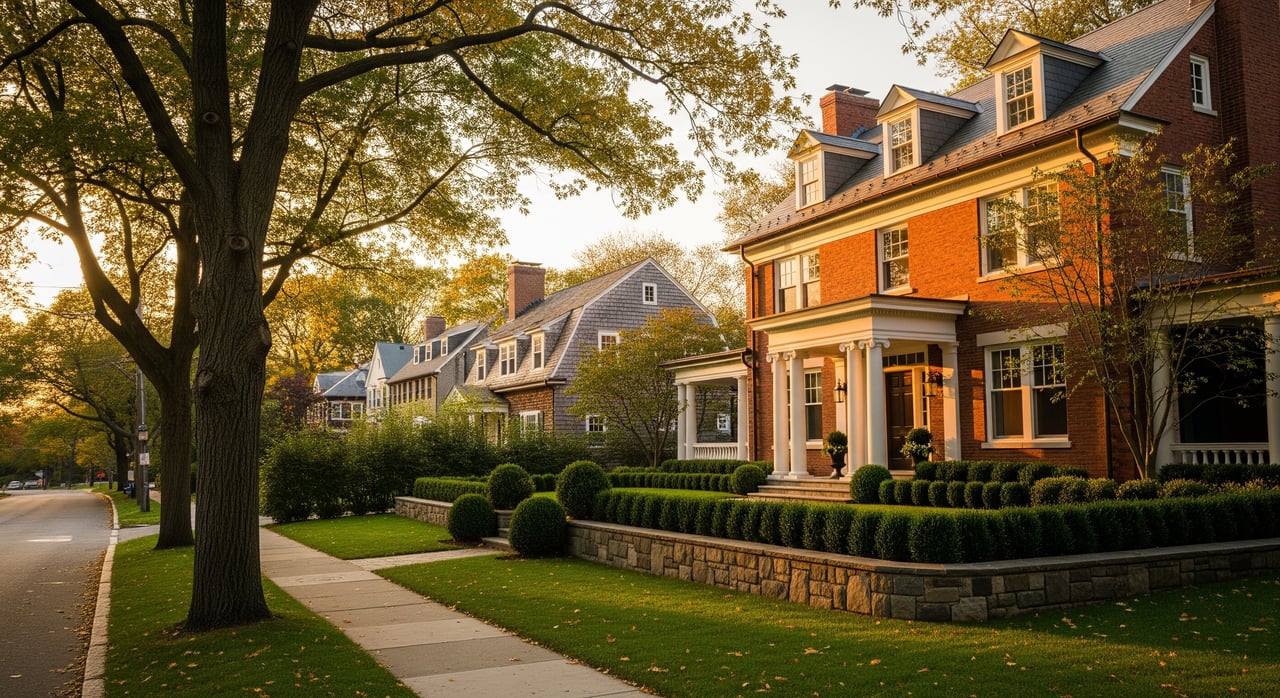
Two homes with the same square footage can sell for very different prices in Newton, even if they are only a few minutes apart. If you are selling, that gap can mean leaving money on the table. If you are buying, it can mean missing the right home because your expectations are set to the wrong village. In this guide, you will learn how to price precisely by village, what updates actually add value, and how to read the micro-market signals that matter. Let’s dive in.
Why Newton’s villages drive price
Newton is often called a city of villages, and buyers treat each village as its own micro-market. Housing styles, lot sizes, walkability, school assignments, and transit access vary from village to village. Those differences shape buyer pools and create real price gaps for similar homes across town.
When you price or make an offer, compare within the same village and school assignment whenever possible. Match the home type, age, and condition. Then weigh transit proximity, walkable amenities, and usable outdoor space. This approach gives you a truer sense of market value than citywide averages.
How to price by village
Below are village profiles that highlight the drivers you should consider. Use them as a lens alongside recent closed comps from the same village and school zones.
Newton Centre
A classic, walkable village center with shops, restaurants, and cultural amenities. Housing ranges from turn-of-the-century homes to larger colonials and some condos. Buyers value village life, school access, and an efficient commute. Updated kitchens and baths carry strong appeal, and turnkey homes can command premiums.
Waban
Leafy and residential with a strong village green and Green Line access. Many homes are early 20th century on substantial lots. Buyers seek a quiet setting with convenient transit. Proximity to the station and a well-maintained, move-in-ready home often support stronger pricing.
Oak Hill
More suburban in feel, with larger lots and midcentury homes mixed with older colonials. Many buyers look for value and potential to renovate or expand. Lot size and the ability to add usable square footage are key drivers. Pricing should reflect both current condition and the renovation paths buyers will consider.
Newtonville and West Newton
Both offer walkable centers with evolving retail and commuter options. Housing is diverse, with single-family homes, duplexes, condos, and newer infill. Buyers include young professionals and commuters. Walkability to shops and commuter rail, plus updated interiors with low maintenance needs, support stronger list prices.
Auburndale
Known for riverfront parks and some commuter rail access. Early 20th-century homes are common on suburban lots. Buyers look for larger lots, access to parks, and practical commutes. Lot depth, green space, and transit proximity often influence price bands.
Newton Upper Falls and Newton Lower Falls
Historic mill villages with varied housing stock and smaller lots. These areas can offer more affordable entry points within Newton. Condition and proximity to village centers or conservation land are big pricing levers. Well-executed renovations that respect historic character can stand out.
Chestnut Hill (portion in Newton)
A prestige location with proximity to shopping, reservoirs, and private schools. Housing includes upscale single-family homes and luxury condos. Buyers often seek premium finishes and privacy. Larger lots and proximity to amenities play a significant role in pricing.
Key pricing inputs to use
- Price per square foot using truly comparable homes in the same village and school assignment.
- Lot size and usable outdoor space, especially where yards are limited.
- School boundaries and commute options, including Green Line and commuter rail proximity.
- Days on market trends and list-to-sale ratios for the property type.
- Closed sales within the last 3 to 6 months, adjusted for condition and upgrades.
Renovations that pay in Newton
You do not need to over-renovate to win. In many established suburbs, minor kitchen updates and cosmetic improvements can deliver better near-term ROI than full gut projects when budgets are tight. Updated baths, fresh paint, landscaping, and curb appeal often create strong first impressions, which is especially helpful in walkable villages with high foot traffic.
- In higher-end villages like Newton Centre, Waban, and Chestnut Hill, buyers often expect high-quality finishes and modern systems. Focus on kitchens and primary suites if you plan to update, since turnkey condition can draw premiums.
- In value and lot-oriented villages like Oak Hill and Upper or Lower Falls, buyers may be purchasing for renovation potential. Strategic upgrades that modernize kitchens and baths or add usable square footage can resonate.
- In transit-oriented villages such as Newton Centre, Newtonville, and West Newton, low-maintenance exteriors and efficient, updated interiors often sell quickly.
Always verify permit needs and any historic constraints with the City of Newton before you plan additions or exterior changes. Address major systems and moisture issues first to reduce buyer objections and improve your net.
A step-by-step pricing plan for sellers
Follow a simple framework to set a smart list price that aligns with your village’s dynamics.
- Define the micro-market
- Pinpoint your village, school assignment, and most likely buyer pool.
- Note walkability, transit options, and local amenities that your buyers value.
- Pull the right comps
- Use recent closed sales from the last 3 to 6 months within the same village and school boundaries.
- Match home type, era, and condition, then adjust for upgrades and lot quality.
- Choose your pricing tactic
- Competitive pricing can spark strong early activity, especially in villages with deep buyer pools.
- Value-gap pricing (slightly under perceived market) can attract multiple offers when inventory is tight.
- As-is pricing fits homes that need significant renovation where buyers expect to invest after closing.
- Watch market tempo
- Rising days on market and wider list-to-sale gaps suggest buyers have leverage.
- Multiple offers and quick closings suggest a seller-leaning market where pricing near or above comps may fit.
- Present for the village buyer
- Stage to highlight walkability, light, outdoor space, and flexible rooms.
- Invest in professional photography and a narrative that connects the home to village amenities.
A realistic playbook for buyers
Expect meaningful price variation across villages for similar square footage. Start by ranking your must-haves: school assignment, commute time, walkability, lot size, or move-in readiness. Be ready to trade condition for location or vice versa. Use recent closed sales in your target village and school zone to shape your offer range.
Also weigh yearly carrying costs, including local property taxes. If you are eyeing renovation potential, factor in likely permit timelines and the cost of updating older systems.
Signals to watch by village
- Inventory shifts: New construction or condo conversions in a village can change price dynamics.
- Tempo: Short days on market and frequent escalations point to strong demand. Slower absorption gives buyers room to negotiate.
- Supply mix: A cluster of turnkey listings may raise the bar for finishes in higher-end villages. A run of renovation-ready homes can pull average pricing down but open value opportunities.
Pre-sale checklist for Newton homeowners
- Pull recent comparable sales within your village and school assignment.
- Confirm prior permits on file and any permits needed for planned work.
- Prioritize fixes that reduce objections first (roof, HVAC, electrical, moisture).
- Complete high-ROI updates next (minor kitchen, bath refresh, paint, landscaping).
- Stage and photograph to highlight village-specific benefits such as parks and transit.
If you want help funding and managing pre-sale improvements, ask about programs that can advance costs for approved projects and repay at closing. Pairing strategic updates with premium marketing can increase exposure and net proceeds.
Pricing examples that often surprise sellers
- Two similar colonials can diverge in price when one sits near a Green Line stop and a walkable center while the other requires a drive for errands.
- A midcentury home on a larger Oak Hill lot can compete with smaller updated homes because buyers value expansion potential.
- A fully updated kitchen and primary suite can lift a Newton Centre or Waban home above nearby comps that did only cosmetic refreshes.
The theme is consistent: price to the buyer who wants your village, then support that price with condition, presentation, and clear data.
Work with a boutique team that knows micro-markets
Getting Newton pricing right requires village-level comps, a focused renovation plan, and premium presentation. If you want a data-driven strategy and hands-on guidance from preparation through negotiation, connect with Bell Property Partners. Request a complimentary home valuation and a village-by-village pricing plan tailored to your goals.
FAQs
Pricing by village in Newton: how much can values vary?
- Similar homes can sell for materially different prices across villages due to school assignments, transit access, walkability, lot quality, and buyer demand specific to each micro-market.
Renovations before listing in Newton: how far should you go?
- Address system issues first, then focus on high-impact updates like minor kitchen and bath improvements, paint, and curb appeal, and scale up to major projects only if they match your village’s buyer expectations.
School assignment and sale price in Newton: does it matter?
- Yes, many buyers prioritize specific school boundaries, which can increase demand for homes within those assignments; rely on local comps to quantify the effect.
Commute and transit in Newton: what premium exists?
- Proximity to the Green Line, commuter rail, or short drives to major routes can support higher pricing where buyers value a shorter, simpler commute; measure the impact with recent local sales.
Finding true comps in Newton’s micro-markets: what is the method?
- Use closed sales from the last 3 to 6 months within the same village and school zone, match home type and condition, then adjust for lot size, upgrades, and distance to amenities.
Historic districts and permits in Newton: what should sellers know?
- Some areas have preservation requirements that shape what you can change; confirm with city departments early to set timelines and avoid costly surprises.