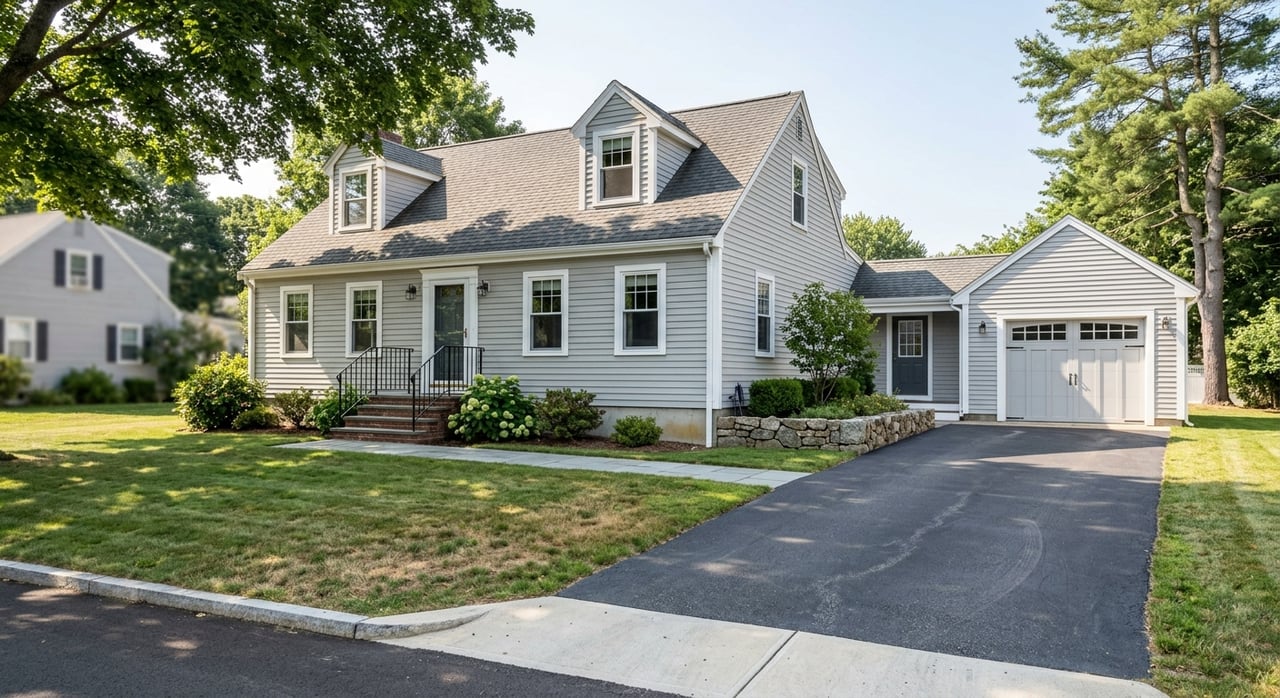
Wondering what a "Sudbury colonial" or a "house on a deep lot" really means when you start browsing listings? In Sudbury, those phrases often point to a very specific housing pattern shaped by zoning, postwar development, and a market dominated by single-family homes. If you are buying or selling here, understanding the link between home style and lot characteristics can help you read listings more clearly and set better expectations. Let’s dive in.
Sudbury Housing at a Glance
Sudbury stands out as a strongly owner-occupied, single-family market. According to the U.S. Census Bureau QuickFacts for 2019 through 2023, the owner-occupied housing unit rate is 90.2%, and the median owner-occupied home value is $939,400.
The town’s 2025 Housing Production Plan adds even more context. It states that 94% of Sudbury’s 6,323 housing units are single-family homes, which is the highest share in the Regional Housing Services Office comparison set. For you as a buyer or seller, that helps explain why so many Sudbury listings center on detached homes, land, privacy, and outdoor space.
Sudbury’s housing stock also leans more postwar than many people expect. The 2025 plan says homes built before 1940 make up the smallest share in the comparison area, and an earlier town housing summary found that more than half of homes were built between 1950 and 1980.
Why Style Names Are Only Part of the Story
When you read style labels in Sudbury listings, it helps to treat them as market shorthand, not a formal townwide classification system. The Sudbury Historical Commission has noted that the town does not have a fully up-to-date communitywide historic context for architectural styles and building types from the 17th century to about 1970.
That matters because a listing may use familiar terms like colonial, Cape, split-level, or contemporary to describe a home’s look or layout, even when the house is part of a much newer suburban development pattern. In other words, the style label gives you a clue, but it does not tell the whole story about age, setting, or lot design.
Common Sudbury Home Styles
Colonial and Colonial Revival Homes
In Sudbury, colonial-style homes often align with the larger suburban single-family format many buyers expect. Survey work in the Wayside Inn district describes many twentieth-century properties there as primarily Colonial Revival residences.
For you as a shopper, that usually suggests a more formal layout, a larger footprint, and a sizeable lot. In practical terms, a Sudbury colonial often signals a house where the exterior style and the lot size work together to create a traditional suburban feel.
Cape Cod Homes
Cape Cod homes are also part of the local mix, though they appear in smaller numbers in the survey examples. In the Wayside Inn district, the town’s historic survey notes a handful of Cape Cod homes.
In listing language, a Cape typically suggests a smaller one-and-one-half-story house with a more compact footprint. That can appeal to buyers who want Sudbury’s lot sizes and outdoor setting but prefer a home that may feel more manageable in scale.
Split-Levels, Contemporary Homes, and Custom Builds
Sudbury also includes many homes that reflect later twentieth-century and newer development patterns. The town’s survey materials mention split-level homes, custom-built dwellings, residential subdivisions built on speculation, and early twenty-first century mansions among newer residences.
If you see a listing described as contemporary, split-level, or custom-built, it often points to subdivision-era construction or a later custom home. These homes may sit farther back from the road, have more open lawn area, and reflect the postwar and newer character that shapes much of Sudbury’s housing stock.
What Lot Characteristics Tell You
Large Lots Are a Core Sudbury Feature
Sudbury’s zoning helps explain why land is such a big part of the value story here. The town’s Building Department states that Residential A lots require 40,000 square feet and 180 feet of frontage, while Residential C lots require 60,000 square feet and 210 feet of frontage.
In the Wayside Inn Historic Preservation Zone, the minimum is even larger at 5 acres with 210 feet of frontage. For you, that means lot size is not just a listing highlight. It is built into the town’s development pattern.
Frontage and Setbacks Shape the Feel
Minimum lot area is only part of the picture. Frontage requirements and setbacks also influence how homes sit on the land and how streetscapes feel from one property to the next.
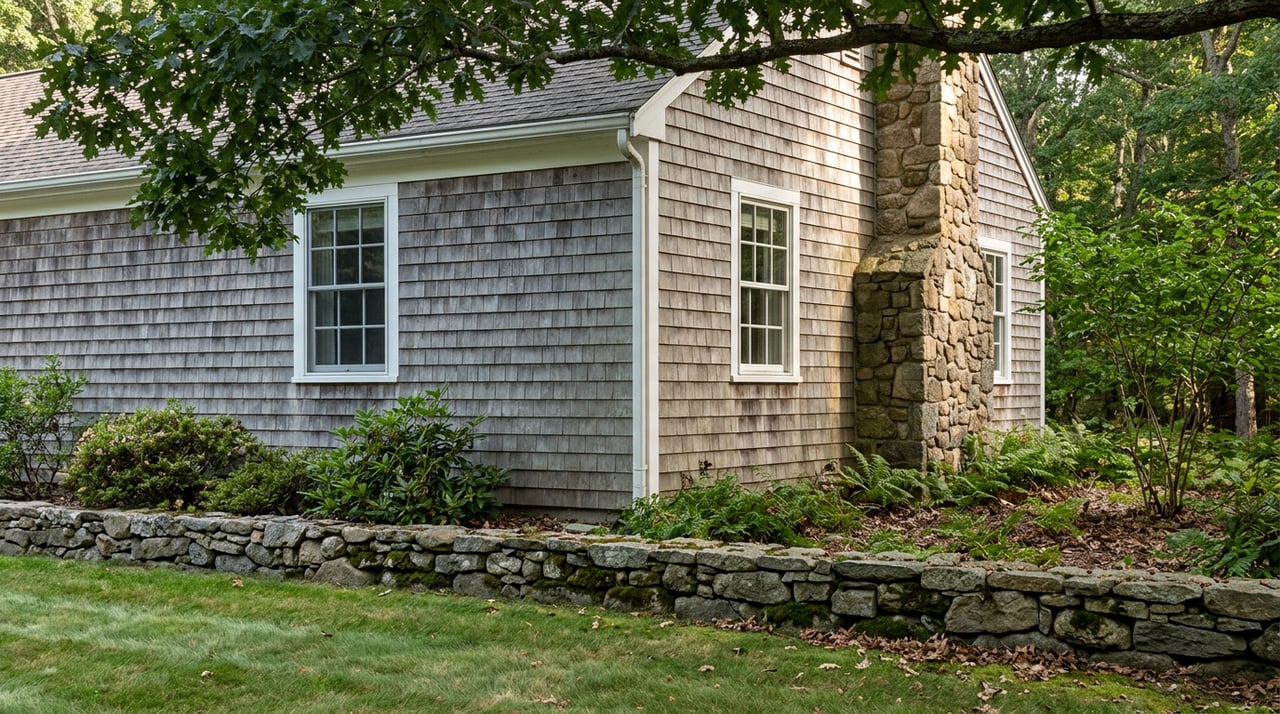
Historic survey forms describe some older corridor homes on large lots with irregular spacing, stone walls, and generous front setbacks often maintained as lawn. Other homes, including some Cape Cod examples, are set far back from the road among mature pines, which creates a different sense of privacy and approach.
Woods, Lawn, and Driveway Depth Matter
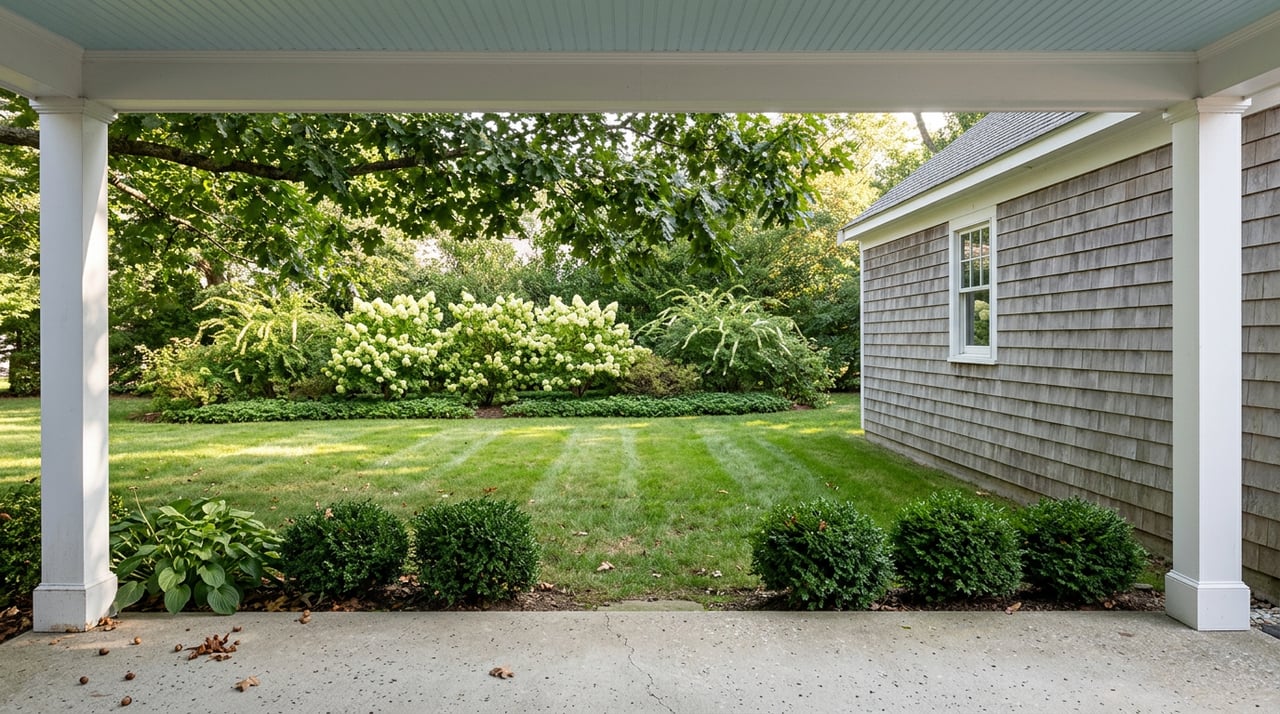
Newer residences in the Wayside Inn area are described as having deep setbacks and open manicured lawns. The same survey work notes that the district’s western portion retains a stronger forested or rural character than its eastern portion.
That helps explain why Sudbury listings so often emphasize privacy, wooded buffers, lawn area, and long driveways. In this market, outdoor setting is often just as important as square footage or finishes inside the home.
How to Read Sudbury Listing Language
If you are comparing homes online, listing language can tell you more than it first appears. In Sudbury, a colonial often suggests a larger, more formal single-family home on a sizeable lot.
A Cape usually points to a smaller footprint and a more compact overall form. A contemporary, split-level, or newer custom build often signals later subdivision-era construction, deeper setbacks, and more open land around the home.
These are not formal town-issued definitions. They are practical inferences based on the town’s survey examples and zoning pattern, which makes them useful when you are trying to sort through listings quickly.
What Buyers Should Expect in Sudbury
Compared with nearby MetroWest towns in the Regional Housing Services Office comparison set, Sudbury is unusually concentrated in single-family homes. If you are moving from a denser community, that can change your expectations in a few important ways.
You may notice:
- More detached homes and fewer attached housing options
- More emphasis on lot depth and frontage
- Greater value placed on wooded buffers and privacy
- Outdoor space playing a larger role in pricing and buyer interest
This is one reason Sudbury homes can feel less interchangeable than homes in denser markets. Two properties with similar square footage may offer very different experiences depending on setback, tree cover, lawn area, and how the home sits on the lot.
What Sellers Should Highlight
If you are preparing to sell in Sudbury, your home style is only one piece of the story. Buyers are often evaluating the full package, including the setting, the lot, the setback, the driveway approach, and the relationship between the house and the surrounding land.
That means your marketing should clearly show how the lot lives. Wide exterior photography, thoughtful property descriptions, and clear explanations of privacy, lawn area, wooded edges, and approach from the street can all help buyers understand the property’s value.
In a market where so many homes are single-family and lot-driven, presentation matters. The goal is to help buyers see not just the house itself, but also what makes the setting distinct within Sudbury’s broader housing landscape.
Why Local Context Matters
Sudbury is not a market where style labels alone tell the full story. Because the town is heavily shaped by postwar development, large-lot zoning, and a dominant single-family housing pattern, the same architectural label can carry different expectations than it might in an older or denser community.
That is why local context matters so much when you buy or sell here. Understanding whether a home is likely part of an older corridor pattern, a mid-century subdivision, or a newer custom-home setting can help you evaluate value more accurately and market a property more effectively.
If you are planning a move in Sudbury and want clear guidance on how home style, lot characteristics, and presentation affect value, Bell Property Partners can help you navigate the market with a thoughtful, data-driven approach.
FAQs
What home style is most common in Sudbury listings?
- Sudbury listings often feature colonial-style homes, along with Cape Cod homes, split-levels, contemporary homes, and newer custom builds. The town’s survey work describes many twentieth-century homes in the Wayside Inn district as Colonial Revival residences.
What do large lots usually mean in Sudbury?
- Large lots in Sudbury often reflect the town’s zoning pattern, which requires substantial minimum lot area and frontage in residential zones. They can also mean deeper setbacks, more lawn area, wooded buffers, and a greater sense of privacy.
What does frontage mean for a Sudbury property?
- Frontage refers to the width of the lot along the street. In Sudbury, minimum frontage requirements help shape how far apart homes appear and contribute to the spacious feel many buyers notice.
Are most Sudbury homes older historic houses?
- Not necessarily. The town’s housing stock is weighted toward postwar construction, and more than half of homes were built between 1950 and 1980 according to an earlier town housing summary.
How should buyers interpret the term "Sudbury colonial"?
- In many cases, a "Sudbury colonial" suggests a larger, more formal single-family home on a sizeable lot. It is best understood as market shorthand rather than a formal architectural classification.
Why do Sudbury listings emphasize privacy and wooded land?
- Sudbury’s zoning, lot sizes, setbacks, and development pattern often create homes with more land, deeper driveways, and wooded buffers. That makes privacy and outdoor setting an important part of how properties are described and valued.