Thinking about building or replacing a home in Weston? You are not alone. Many luxury buyers and long-time owners weigh land value, privacy, and modern features against the realities of zoning and permitting. In this guide, you will learn how Weston’s lot patterns, setbacks, and current design trends affect feasibility, cost, and resale appeal, so you can plan with confidence. Let’s dive in.
Weston lots: what to expect
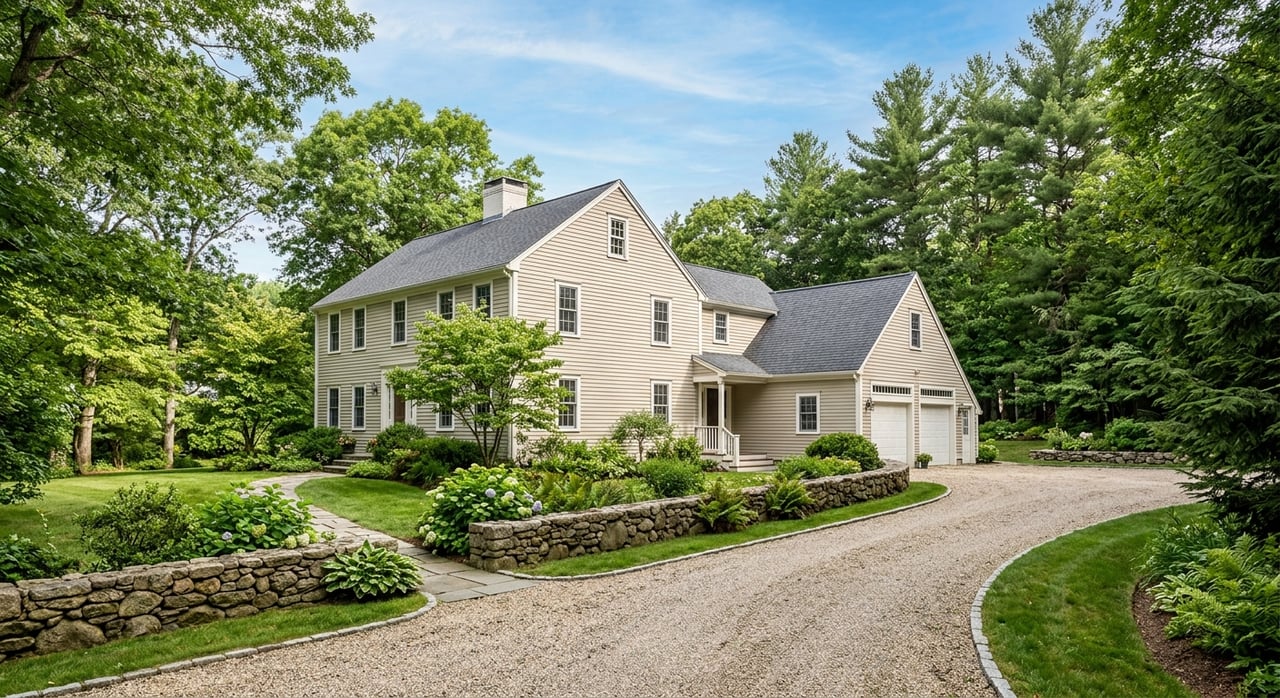
Weston is a low-density, estate-oriented town with large parcels and mature tree cover. Many properties are well over an acre, and even smaller infill lots often feel private. This park-like character adds intrinsic value beyond raw square footage and shapes how a new home sits on the land.
Estate-like parcels and privacy
Buyers prize the combination of space, tree canopy, and separation from neighbors. These lot-based amenities support luxury pricing and influence design choices such as side-loading garages, long drives, and screened outdoor rooms. When you evaluate a parcel, factor in the premium tied to privacy and landscape quality, not just size.
Parcel features that shape buildability
Each lot is unique. Topography, rock ledge, existing trees, wetlands and buffer zones, and utility status are key to your plan. Verify whether the property is on municipal sewer or will require a private septic system with adequate leaching area. Map constraints early so you can right-size the footprint, driveway approach, and drainage strategy.
Setbacks, coverage, and approvals
Weston’s zoning controls where and how big you can build. The rules affect placement, massing, and even driveway and patio layout. The goal is to respect neighborhood scale while allowing high-quality design.
Where to verify rules
Confirm your zoning district in the Weston Assessor data and then review the Weston Zoning Bylaw with the Building Department for exact requirements. Check minimum lot area and frontage, front, side, and rear yard setbacks, height limits, stories, and any lot coverage or impervious constraints. If your site is near wetlands, involve the Conservation Commission early.
How setbacks influence design
Setbacks define your building envelope and the spacing to neighbors. They also affect rooflines and whether a walkout lower level makes sense. On larger parcels, setbacks still drive garage placement, pool court options, and the ability to tuck outdoor living behind landscape screens.
Typical permitting path
Most luxury projects benefit from a pre-application consult with Building and Planning. Your team will prepare site plans, elevations, stormwater details, a tree and landscape plan, and septic design or sewer connection documents. If work is within wetlands buffers, expect Conservation Commission review. Some designs may need Zoning Board of Appeals special permits or variances for elements like reduced setbacks or accessory structures. Complex sites often take several months to a year to fully permit, so build that lead time into your plan.
Quick due diligence checklist
- Confirm the zoning district, minimum lot area, and frontage.
- Verify front, side, and rear setbacks, height, and lot coverage limits in the Zoning Bylaw.
- Determine sewer vs. septic and order soil and percolation tests if needed.
- Request wetlands delineation and check for conservation restrictions or easements.
- Order a current survey and plot plan, including topography.
- Speak with the Building Inspector about likely permits for your scope.
Design trends luxury buyers expect in Weston
High-end new construction in Weston blends classic New England cues with modern living. The best projects respect the streetscape and deliver bright, open interiors with seamless outdoor connections.
Architecture and curb appeal
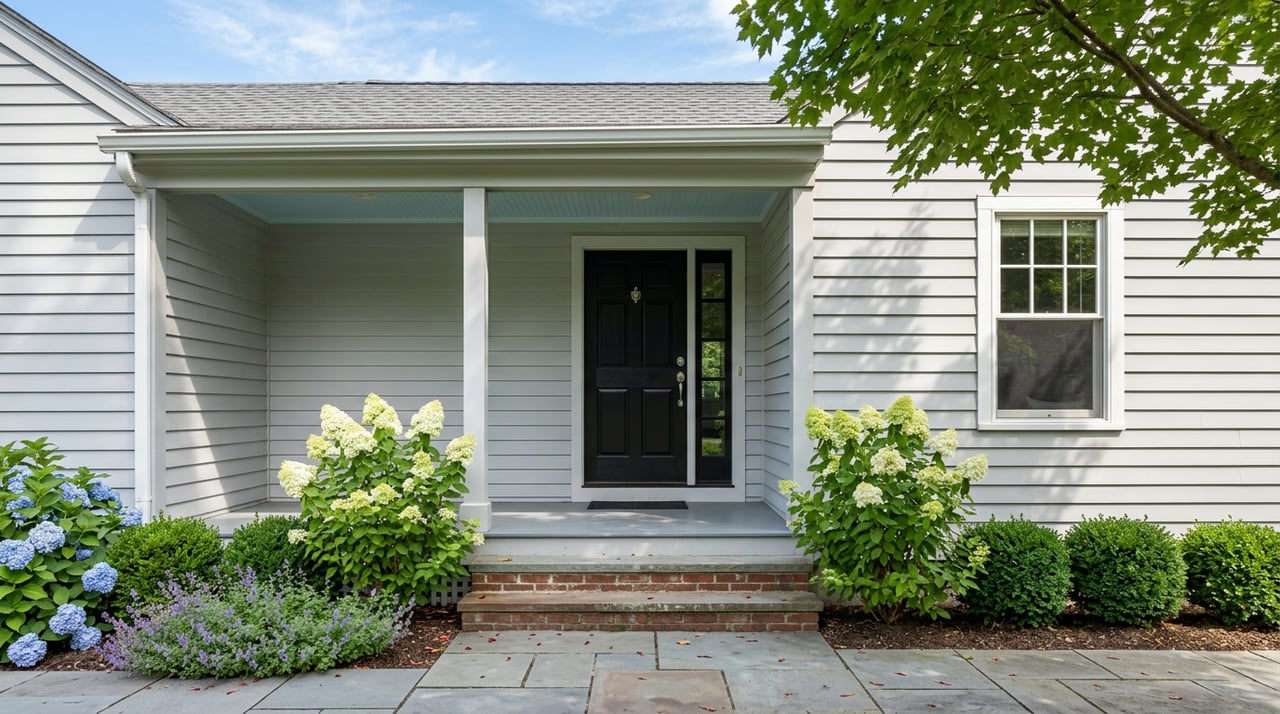
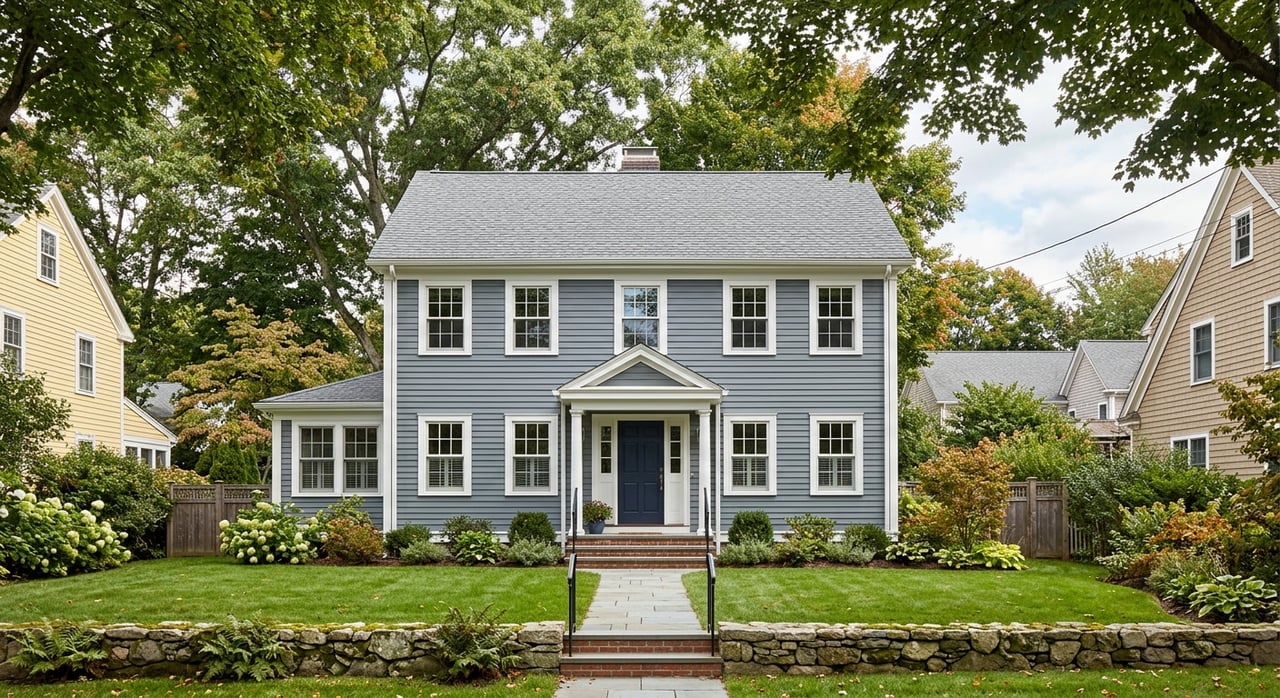
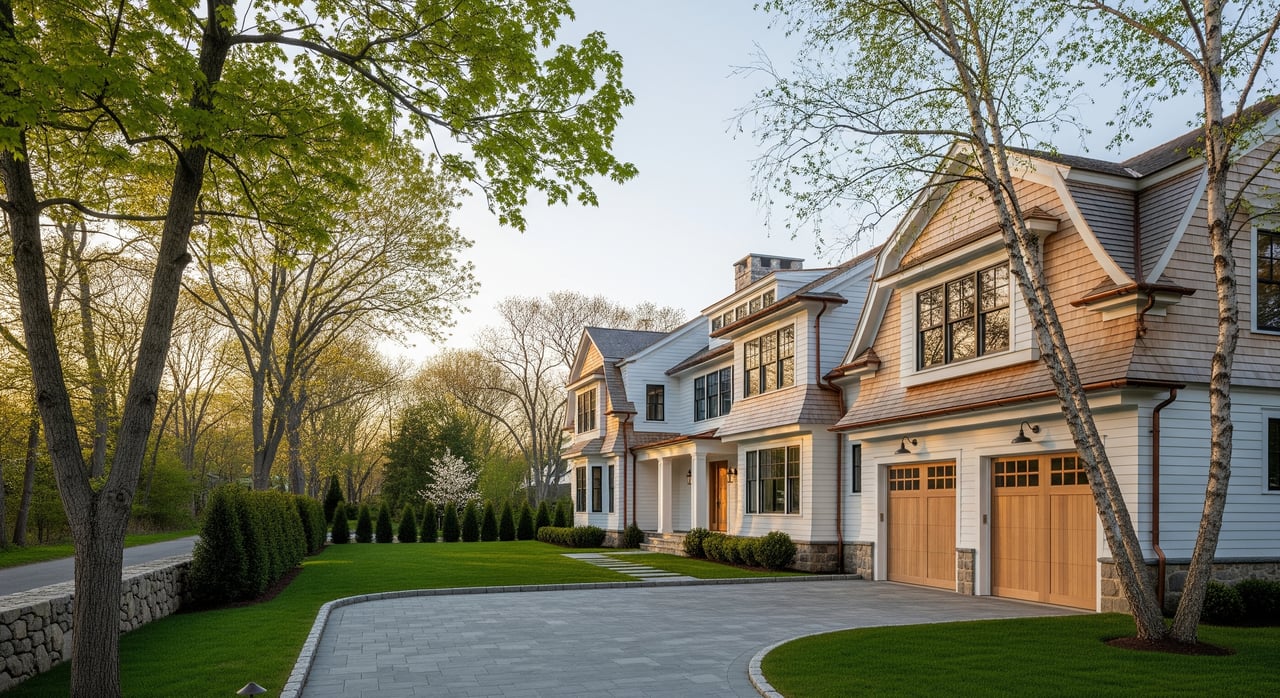
Refined traditional and modern-traditional styles dominate, including Colonial and Federal revival, Shingle style, and New England vernaculars. You will also see transitional designs that keep traditional massing while using cleaner lines and larger windows. Natural materials such as clapboard, shingles, and stone help new homes feel rooted in place.
Floor plans and rooms that matter
Large, open kitchen and family spaces anchor the main level, often with panoramic glazing to the rear yard. Many buyers want a main-floor primary suite or flexible bedroom arrangements for multi-generational living. Expect dedicated offices, a well-planned mudroom, generous storage, and finished lower levels for recreation, media, and fitness. Amenity spaces like wine rooms, wet bars, and smart-home integration are common at the top of the market.
Site and outdoor living
Privacy and landscape integration are front and center. Covered porches, terraces, pool-ready lawns, and screened outdoor rooms are popular where lot depth allows. Driveway design and garage placement are handled carefully to preserve an estate-like frontage, often with side-loading garages or detached carriage structures and ample landscape screening.
Materials that age well
Buyers want both craftsmanship and low maintenance. Exteriors often pair cedar shingles or fiber-cement clapboard with stone accents and premium details like copper gutters or standing-seam metal on select roof elements. Roofing ranges from architectural shingles and synthetic slate to true slate at the very high end. Inside, wide-plank white oak, custom millwork, and stone or engineered quartz surfaces set the tone. Advanced framing, SIPs, or ICF sometimes replace standard stick framing to improve thermal performance and comfort.
Energy codes and high-performance systems
Massachusetts building and energy codes set the baseline for new construction, and many towns adopt stretch energy standards. Always confirm current requirements with the Weston Building Department and the state Board of Building Regulations and Standards.
What to plan for
Premium builds typically deliver a tight, well-insulated envelope with high-performance windows. Cold-climate heat pumps are now widely used, sometimes alongside high-efficiency gas or geothermal systems. Balanced mechanical ventilation, such as ERV or HRV, supports indoor air quality in airtight homes. Heat-pump water heaters or tankless systems are common, and many projects are designed to be solar ready. EV charging infrastructure in the garage is increasingly standard, along with smart thermostats and whole-home energy monitoring.
Incentives and labels
State programs like Mass Save offer incentives for heat pumps, insulation, and solar, which can improve payback. Some projects pursue voluntary certifications such as ENERGY STAR, LEED, or Passive House, or provide HERS ratings to document performance. These can differentiate a listing and help buyers compare expected operating costs.
Land value, replacement potential, and timeline
In Weston, the land often carries a significant share of total property value. When you consider a teardown or replacement, compare the lot’s intrinsic amenities and location to the full cost of a high-end build, including site work and approvals. The question is not only what you can build, but what the market expects at your price point.
Budget and soft costs
Replacement cost varies with finish level, systems complexity, and site work. In addition to hard construction costs, include soft costs such as architecture, engineering, surveys, permitting, conservation mitigation, and potential archaeological review. Engage local custom builders and architects early to align scope and budget with Weston-level expectations.
Septic, wetlands, and site constraints
Septic capacity can limit footprint and bedrooms, and some sites require advanced systems. Wetlands and buffer zones are common in Weston and often shape house placement and size. Ledge removal, deep rock, and drainage plans can add time and cost. Early testing and a clear civil plan reduce surprises.
Common risks to watch
- Wetlands setbacks and buffers that restrict buildable area.
- Mature tree preservation requirements and related mitigation.
- Septic leaching area limits that affect footprint and bedroom count.
- Public hearing delays for variances or larger projects.
- Ledge, rock, or complex drainage that escalates site costs.
- Extended timelines due to contractor availability and specialty trades.
How Bell Property Partners helps
You deserve a clear, well-sequenced plan that balances design goals with zoning, conservation, and market realities. Our team pairs technical construction insight with data-driven pricing to help you decide whether to rebuild, renovate, or sell the lot as-is. We also leverage Compass tools to prepare listings that showcase architectural quality and performance features buyers value.
If you are assessing land value, replacement potential, or the right feature set for a luxury new build in Weston, let’s talk. Request a complimentary home valuation or a pre-build consultation with Bell Property Partners.
FAQs
What should I check first when evaluating a Weston buildable lot?
- Start by confirming zoning district, minimum lot area and frontage, setbacks, wetlands status, and sewer versus septic, then order a current survey and speak with the Building Department about required permits.
How long does luxury new-construction permitting usually take in Weston?
- Complex projects that involve Conservation review and detailed site work often require several months to a year to secure all approvals, so plan your design and builder selection timeline accordingly.
Which architectural styles have the broadest appeal in Weston?
- Refined traditional, Shingle style, and transitional designs that honor New England materials and scale while delivering contemporary interiors tend to resonate with luxury buyers.
What energy systems do high-end buyers expect in new builds?
- Expect interest in high-performance envelopes, cold-climate heat pumps, ERV or HRV ventilation, EV charging readiness, and solar or solar-ready designs, supported by smart controls.
How do septic and wetlands affect my house size and placement?
- Septic leaching area requirements and wetlands buffers directly shape the feasible footprint and location of the home, patios, and pools, so engage civil and conservation experts early.
What costs beyond construction should I budget for on a teardown?
- Include design and engineering fees, surveys, permitting, conservation mitigation, potential archaeological review, landscaping, and contingency for site conditions like ledge or drainage.