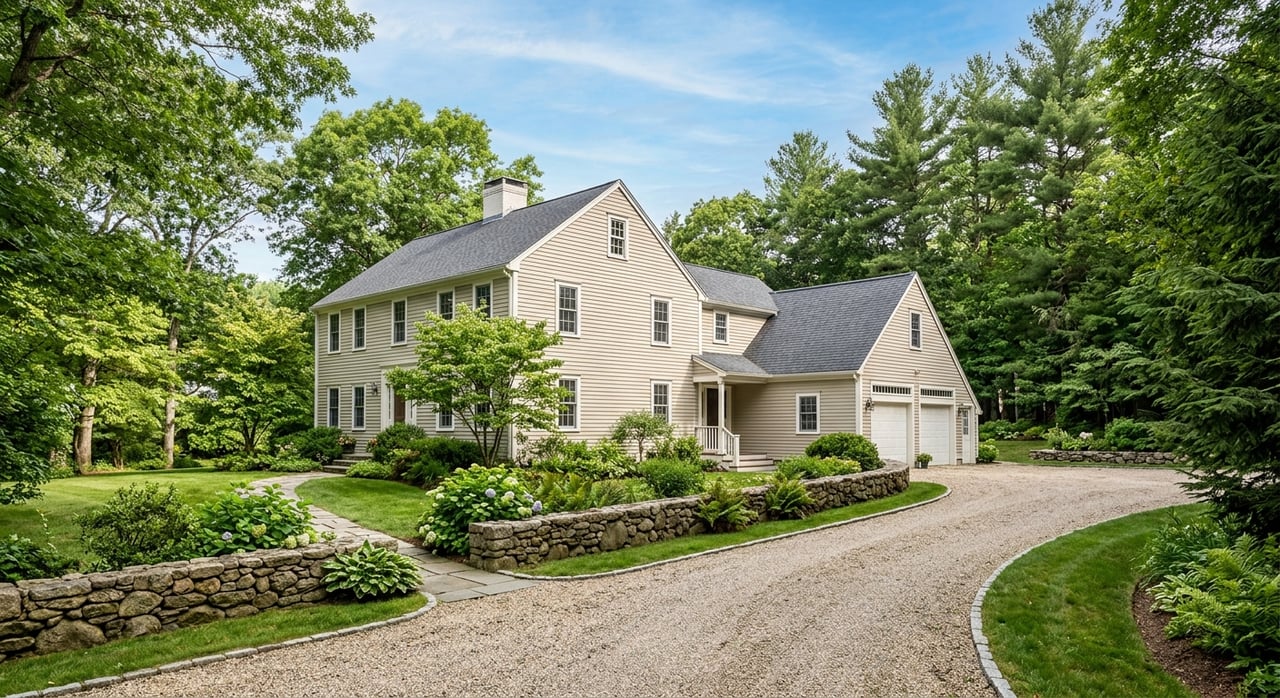
Dreaming of a home where stone walls, wooded trails, and open land are part of daily life? In Dover, that vision is very real, but so is the responsibility that comes with owning a country property. If you are considering a move here, it helps to understand both the appeal and the upkeep before you buy. This guide walks you through what country living in Dover can look like and what to pay close attention to along the way. Let’s dive in.
Why Dover Feels Different
Dover offers a rural setting that is unusual this close to Boston. The town is in Norfolk County, about forty minutes from downtown Boston, and it describes itself as predominantly residential with a peaceful, country-like feel.
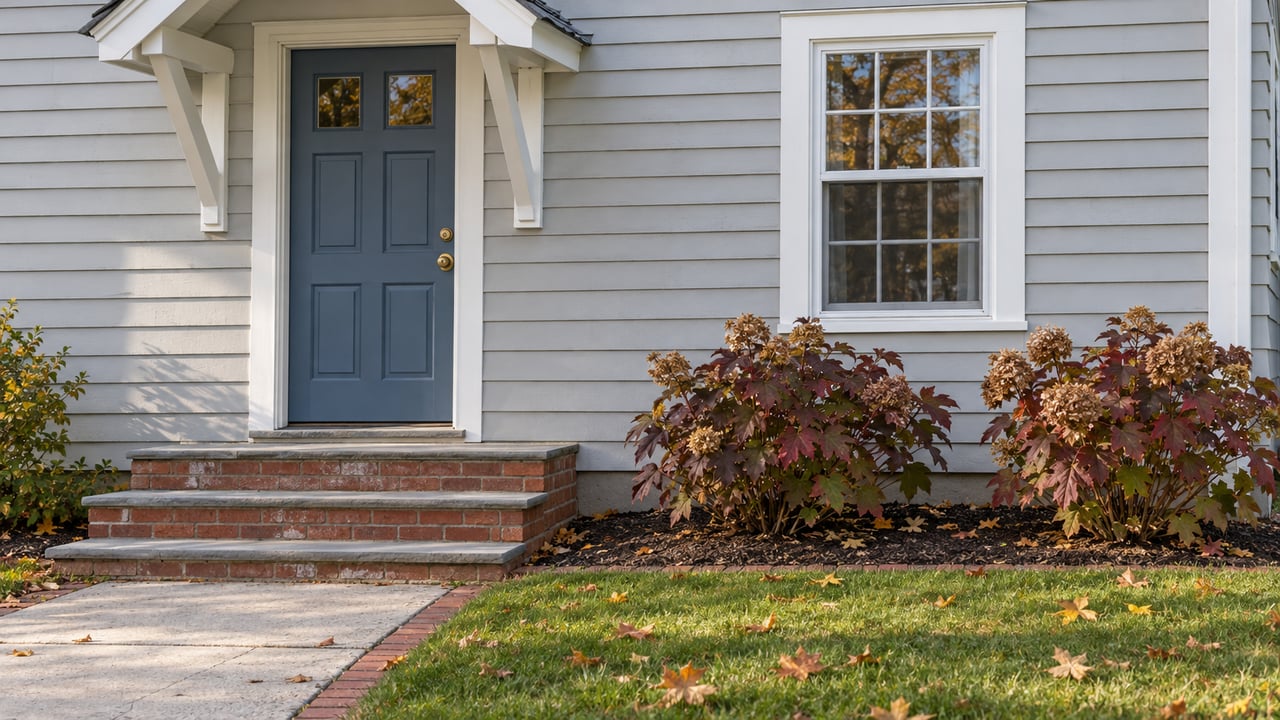
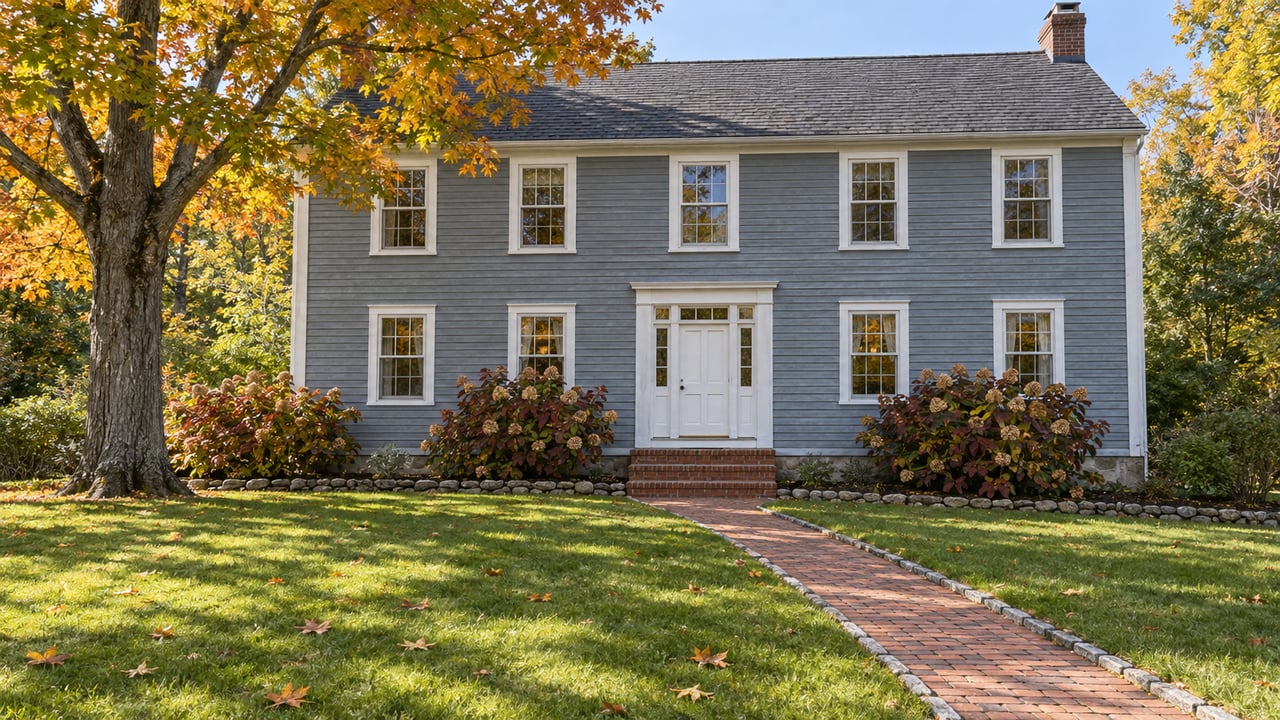
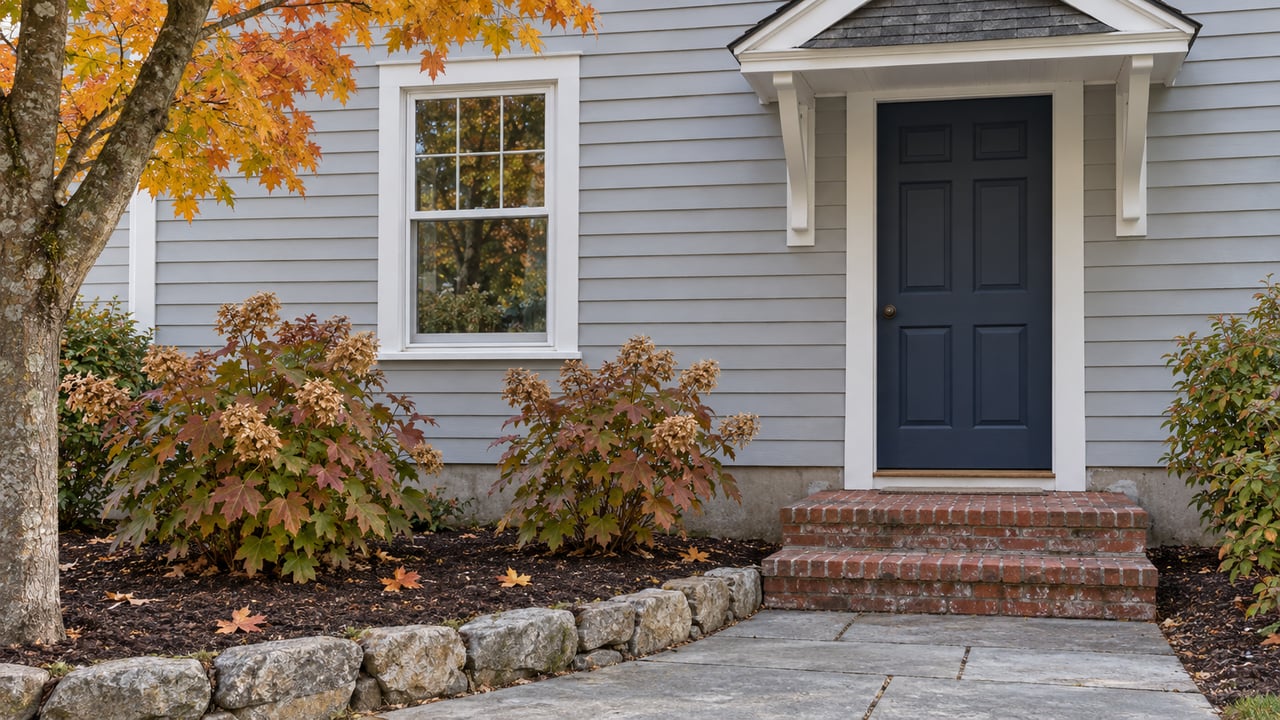
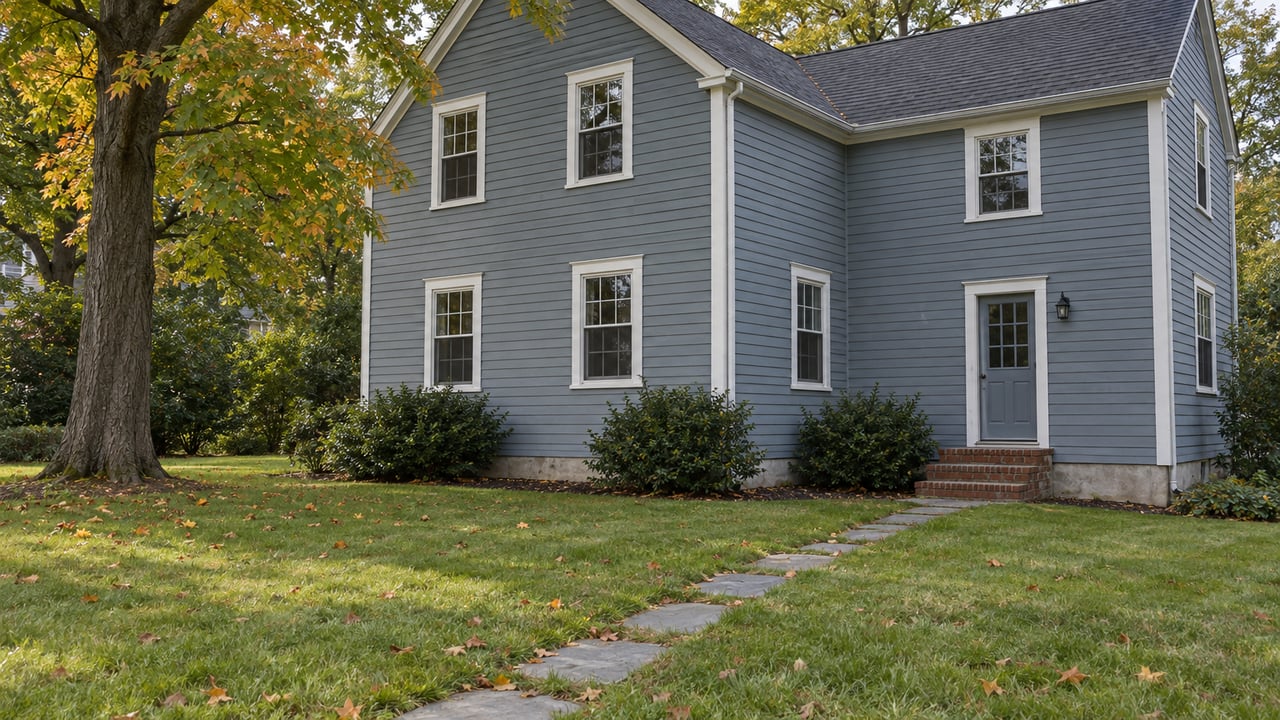
That character shows up in the landscape. Pasture land, stone walls, farmhouses, and barns are still part of Dover’s identity, which gives the town a distinctly New England sense of place.
For many buyers, that setting is the draw. If you want privacy, wooded views, and room to spread out, Dover often delivers a lifestyle that feels more tucked away than many nearby suburbs.
Outdoor Living Is Part of Daily Life
In Dover, outdoor access is not just a bonus feature. It is part of how many people use and enjoy their property and the town itself.
The town highlights miles of shady trails and woods for walking, cross-country skiing, birding, and horseback riding, along with access to the Charles River. Dover’s recreation resources also point to an active outdoor culture, including year-round second-Saturday strolls and public spaces that support regular time outside.
Open space is a major part of the town’s identity. Dover reports hundreds of acres of town-owned conservation land, with larger trail areas including Wylde Woods and Snow Hill. Caryl Park adds 83 acres with walking trails, a playground, tennis, and courts, while nearby protected areas include Noanet Woodlands and Chase Woodlands.
If you are comparing Dover with a more typical suburban neighborhood, this is one of the biggest differences. A country property here often connects directly to a more outdoors-oriented routine, whether that means trail walks, seasonal yard use, or simply enjoying a quieter setting.
The Biggest Ownership Difference: Utilities
The lifestyle is appealing, but country ownership in Dover also comes with practical systems that need more attention. The biggest shift for many buyers is utility infrastructure.
Dover says nearly 70% of residences use private wells, while almost 30% of the remaining homes are served by Aquarion. The town also notes limited water and wastewater infrastructure, and its 2022 Water Restriction Bylaw applies to all water sources.
On the wastewater side, Dover has no municipal sanitary sewer system. Homes rely on private septic systems, which means buyers should treat water and wastewater due diligence as a top priority, not a small box to check.
What to Know About Private Wells
If a home has a private well, you should understand that water quality and system oversight work differently than they do with a typical municipal water connection. In Dover, the Board of Health regulates private well permits, and local oversight plays an important role.
That means a buyer should look closely at available water-testing history and ask clear questions early. Knowing whether the home uses a private well or Aquarion is one of the most important starting points when evaluating a property.
This is where process matters. A country property can be wonderful, but the right questions up front can help you avoid surprises later.
Septic Systems Need Ongoing Attention
Because Dover relies on private septic systems, septic condition and maintenance history matter a great deal. The Board of Health regulates septic and private sewage systems, and Massachusetts Title 5 governs septic construction and maintenance.
MassDEP says septic systems should be pumped at least once every three years. For buyers, that makes the age of the system, service records, and pumping history especially important parts of due diligence.
For owners, this is simply part of the rhythm of country property care. A septic system is not unusual in Dover, but it does require planning, maintenance, and attention over time.
Land Improvements Can Be More Complex
One of the pleasures of owning a larger property is the ability to shape outdoor space around how you live. At the same time, Dover has environmental rules that can affect what is possible.
The Conservation Commission regulates work within 100 feet of wetlands and 200 feet of perennial streams or rivers. A January 2026 town notice also states that certain tree-removal or site-work projects require a stormwater permit, with tree-protection rules for larger disturbance areas and protected root zones.
In practical terms, this means projects like clearing land, changing grades, or planning larger exterior work may involve more review than buyers expect. If a property’s appeal depends on future outdoor changes, it is smart to investigate those limits early.
Winter, Driveways, and Road Access Matter
Country living often means more land to manage, and that becomes especially clear in winter. In Dover, snow care can go beyond clearing the main driveway.
The town’s guidance notes that snow removal may also include walkways, steps, garage doors, and paths to the oil tank intake valve. On a larger lot, that can add time, equipment needs, or service coordination throughout the season.
Road and driveway logistics also matter in day-to-day ownership. Dover has 61.8 miles of road, manages pavement through a five-year plan, and uses a street-opening permit application for driveway relocation. If a property has a long driveway or unusual access, those details are worth understanding before closing.
Trash, Recycling, and Yard Waste Work Differently
Another adjustment for some buyers is waste handling. Dover says there is no residential trash pickup through the town.
Instead, residents use private haulers and the Dover Transfer Station. The town says the Transfer Station is open to residents with a free sticker on Wednesday, Saturday, and Sunday from 8 am to 3:45 pm.
The town also notes that yard waste and food scraps go to the compost area, and composting on your own property is recommended. On a larger lot, brush, leaves, and seasonal cleanup are part of regular ownership, so it helps to think through that routine in advance.
What Dover Country Buyers Should Check
If you are serious about buying a country property in Dover, a focused checklist can help you evaluate fit. The goal is not to make the process feel complicated. It is to help you buy with confidence.
Here are some of the most important items to review:
- Whether the home uses a private well or Aquarion
- Available water-testing history
- Septic system age
- Septic pumping and maintenance records
- Wetlands or stormwater constraints on the lot
- Driveway length, condition, and plowing needs
- Trash, recycling, brush, and compost logistics
For the right buyer, none of these items are deal breakers. They are simply part of understanding what ownership will really feel like after move-in day.
Is Dover Country Living Right for You?
Dover can be an excellent fit if you value privacy, open land, wooded surroundings, and easy access to trails and outdoor recreation. It can also be a strong match if you are comfortable with a more hands-on property profile than you may find in a denser suburban setting.
That balance is what makes Dover distinctive. You get a peaceful setting near Boston, but you also take on responsibilities tied to wells, septic systems, land stewardship, winter conditions, and waste handling.
If you go in with clear expectations, a Dover country property can offer a lifestyle that feels both grounded and special. The key is understanding that the charm and the upkeep come together.
Whether you are buying your first home in Dover or preparing to sell a property with acreage, Bell Property Partners brings local market knowledge, thoughtful guidance, and hands-on support to help you make smart, confident decisions.
FAQs
What makes country living in Dover different from other Boston-area suburbs?
- Dover offers a more rural, residential setting with open land, trails, woods, and larger-lot living, but it also often involves more hands-on property upkeep.
What utility systems should Dover home buyers review before making an offer?
- Buyers should confirm whether the home uses a private well or Aquarion, review water-testing history if available, and gather details on septic age, maintenance, and pumping history.
What should buyers know about septic systems at Dover properties?
- Dover relies on private septic systems rather than municipal sewer service, and MassDEP says septic systems should be pumped at least once every three years.
What outdoor property rules can affect a Dover home purchase?
- Wetlands, perennial stream setbacks, stormwater permitting, and tree-protection rules can affect future site work, land clearing, and larger outdoor projects.
How does trash and yard waste disposal work for Dover homeowners?
- Dover does not provide residential trash pickup, so homeowners use private haulers and the Dover Transfer Station, where yard waste and food scraps can go to the compost area.