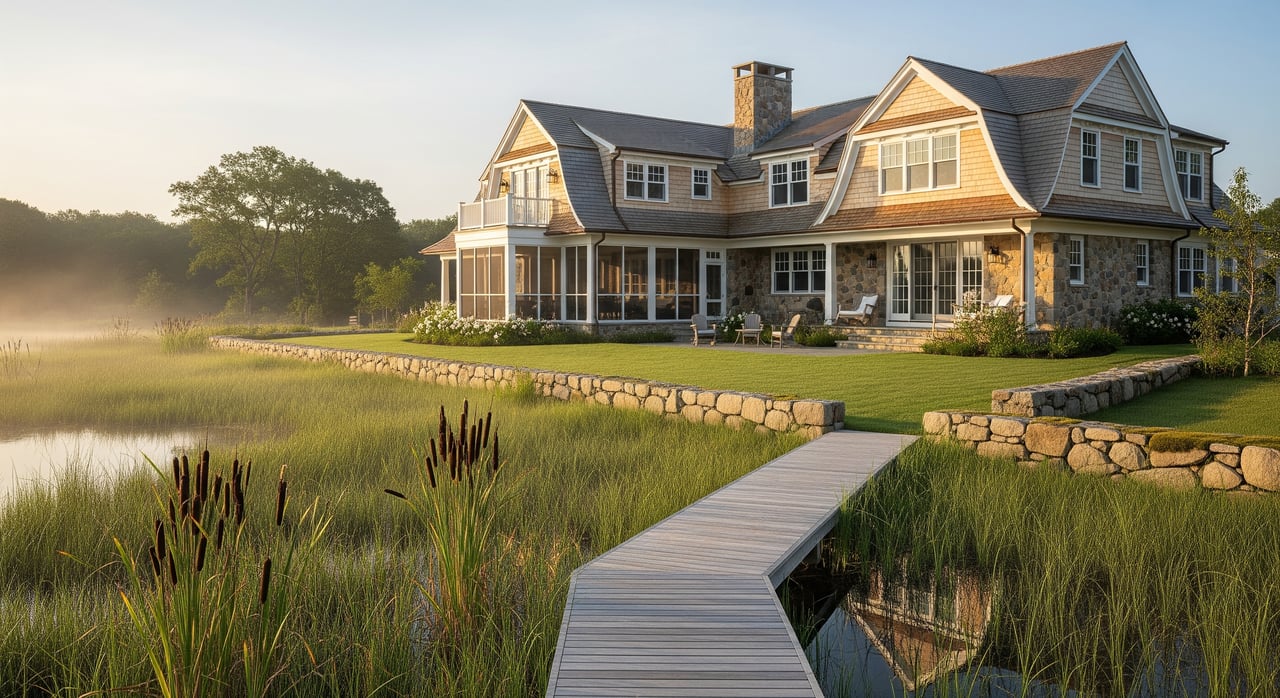
Seeing water, marsh grasses, or a meandering stream near a Concord listing can raise a lot of questions. You want to know what you can build, whether a septic replacement is feasible, and how long permits could take. This guide gives you clear answers on how wetlands rules work in Concord, what projects they affect, and the steps to protect your plans and budget. Let’s dive in.
Why wetlands matter in Concord
Concord has many properties that include or abut regulated wetlands, streams, vernal pools, and floodplain. Even when the wetland itself is not buildable, the adjacent 100-foot buffer zone is regulated and can limit or condition work. That can influence additions, pools, grading, tree removal, and stormwater changes. It can also affect septic siting, insurance, and your timeline to close.
Wetlands rules can reduce your buildable envelope and add review steps. If you plan an expansion, you may need to shift the design, add mitigation plantings, or accept a longer schedule. Understanding the constraints before you write an offer helps you avoid costly surprises.
How wetlands are regulated in Concord
State framework you should know
The Massachusetts Wetlands Protection Act and its regulations set baseline protections for resource areas and the 100-foot buffer zone. Activity in those areas is regulated and reviewed. Common filings include a Request for Determination of Applicability to ask if a project is regulated, a Notice of Intent for work that is regulated, and an Order of Resource Area Delineation to confirm wetland boundaries.
Local Concord rules and reviewers
The Concord Conservation Commission administers the state law locally and enforces Concord’s own wetlands bylaw. Local bylaws can be more protective than the state baseline, so it is important to check Concord’s specific buffer requirements and any no-alteration policies. The Commission can approve, condition, or deny projects, and may require mitigation.
Other agencies that may apply
Septic systems are regulated under Title 5 and permitted by the local Board of Health, which uses setbacks and soil and groundwater criteria that often interact with wetlands. The Massachusetts Natural Heritage & Endangered Species Program may apply if priority habitat or certified vernal pools are present. Federal programs also matter, including FEMA floodplain mapping for insurance and construction limits, and screening maps like the National Wetlands Inventory.
Common project impacts and costs
Buildable envelope and additions
A wetland delineation and mapped buffer can shrink where you can place an addition, garage, or accessory structure. Even if the current house sits outside the wetland line, expansion toward a buffer may trigger review, design changes, or mitigation requirements. An ORAD is useful to confirm boundaries before you finalize plans.
Septic systems and utilities
Title 5 and local setbacks limit where septic components can go relative to wetlands and groundwater. Replacing or relocating a system can be feasible but may require engineered solutions, variances, or advanced treatment that increases cost. Utility trenches and wells also typically need review and must meet setbacks.
Landscaping, pools, and hardscape
Tree removal, lawn expansion, grading, patios, retaining walls, and pools within a buffer often require filings. Small changes may be reviewed through an RDA, while larger projects typically require an NOI. Many towns use an inner no-disturb concept in buffer zones, so expect planting restoration or native buffers if you alter these areas.
Timelines and uncertainty
Permitting can add weeks to months. Complex projects, such as additions within a buffer or septic relocations, can require site studies, public hearings, design revisions, and negotiated conditions. Building your schedule with this review time in mind reduces stress later.
Mitigation, enforcement, and budget
You may be asked to enhance buffers, install stormwater controls, or replicate wetlands. Mitigation for moderately complex projects can add tens of thousands of dollars. Unauthorized work can trigger enforcement orders, restoration, and fines, so it is smart to check property history for any open orders or past violations.
Due diligence checklist for Concord buyers
Pre-offer screening
- Review the Town’s GIS to see parcel lines, conservation land, and mapped wetlands.
- Check FEMA flood maps for flood zones.
- Look at MassGIS and the National Wetlands Inventory for likely resource areas.
- Walk the lot for signs of wet areas, flagging, or conservation markers.
Ask the seller and listing agent
- Request any wetland delineations, ORADs, Orders of Conditions, prior NOIs or RDAs, and as-built plans.
- Ask for recorded conservation restrictions, trail easements, or other deeded limits.
- Request any enforcement orders, restoration plans, or monitoring reports.
- Get septic records, Title 5 inspection reports, and any perc test results.
Smart offer contingencies
- A contingency for a professional wetland delineation and, if needed, an ORAD from the Concord Conservation Commission.
- A septic inspection and feasibility contingency to confirm Title 5 compliance and Board of Health approvals for any replacement or expansion.
- A feasibility contingency tied to permits for your planned renovation, addition, pool, or driveway changes.
Post-offer steps and the right team
- Hire a wetland scientist to delineate resource areas and support filings.
- Engage a civil engineer or site planner familiar with Concord to study septic and stormwater feasibility.
- Retain a surveyor to locate wetland flags and show buffer lines on a plan.
- Visit the Conservation Commission office to review files for ORADs, NOIs, Orders of Conditions, RDAs, and any enforcement history.
- Check with the Board of Health for septic records, perc tests, and variances. Confirm if NHESP habitat or certified vernal pools apply.
Timelines and order-of-magnitude costs
- Wetland field delineation often takes days to a few weeks, with costs from a few hundred to a few thousand dollars based on lot size and complexity.
- An ORAD can take several weeks to schedule and process.
- NOI review with public hearings often runs several weeks to months, depending on design complexity and mitigation.
- Septic replacement or complex mitigation may range from tens of thousands to low six figures in more challenging cases.
Real-world buyer scenarios
- You plan a rear addition. The current footprint is fine, but expanding toward the back yard crosses a buffer, so you file an NOI and add native plantings as mitigation. Plan for extra design time and a longer permitting cycle.
- You need septic replacement. Setbacks to wetlands limit siting, so you move to an engineered solution and adjust budget and timeline to accommodate review and installation.
- You want a pool and patios. The design shifts to stay farther from the resource area, with erosion controls and compensatory plantings to meet local expectations.
How to move forward with confidence
A clear plan reduces risk. Start with map screening and records requests, then bring in a wetland scientist, a Concord-savvy civil engineer, and a surveyor before locking in design decisions. Confirm boundaries through an ORAD when lines are uncertain, and align your offer contingencies with the permits you will need.
How Bell Property Partners helps
You deserve an advocate who understands construction details and the permitting path. Our team pairs technical insight with a calm, process-driven approach so you can evaluate feasibility, build a realistic timeline, and write a strong, protected offer. We coordinate with local wetland and engineering professionals, pressure-test renovation plans against likely conditions, and guide you through records and filings so you avoid surprises.
If you are considering a home near wetlands or conservation land in Concord, let’s talk about your goals, budget, and timeline. Connect with Bell Property Partners to start a clear, confident plan for your purchase.
FAQs
What counts as a wetland or resource area in Concord?
- Resource areas include bordering or isolated wetlands, banks, streams, rivers, vernal pools, and floodplain, with a regulated 100-foot buffer zone adjacent to many of these areas.
Do I need a permit to remove trees or add a patio near wetlands?
- If work is within the 100-foot buffer, it is often regulated, so expect to file an RDA for minor work or an NOI for larger changes, with possible mitigation like native plantings.
How do wetlands rules affect septic systems under Title 5?
- Setbacks to wetlands and groundwater influence where a septic system can go, and replacement may require engineered solutions or variances reviewed by the Board of Health.
How long do wetlands approvals typically take in Concord?
- Simple reviews can take weeks, while complex NOIs with studies, hearings, and mitigation can extend into multiple months depending on schedule and design revisions.
What is an ORAD and why would I request one?
- An Order of Resource Area Delineation confirms the location of wetland boundaries, which helps define your buildable envelope before you commit to design or closing.
How can I check property history for wetlands permits or violations?
- Visit or contact the Concord Conservation Commission to review files for ORADs, NOIs, Orders of Conditions, RDAs, monitoring reports, and any enforcement orders tied to the property.